-
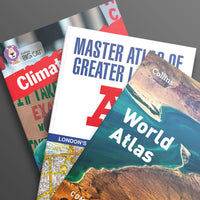
 Licensing and rights Collins is a leading global publisher of dictionaries, reference, education and ELT books and resources. We are also the publishers of Collins Bartholomew and A-Z map products. Established over 200 years ago in Scotland, Collins delivers high-quality, accessible content for curious minds - for students, teachers or anyone who wants to learn more about the world around them.
-
 Partner with us We partner with a wide variety of print publishers, digital and commercial businesses who choose to license our content knowing the quality and recognition the Collins brand delivers.



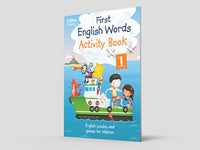
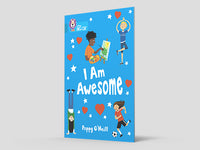
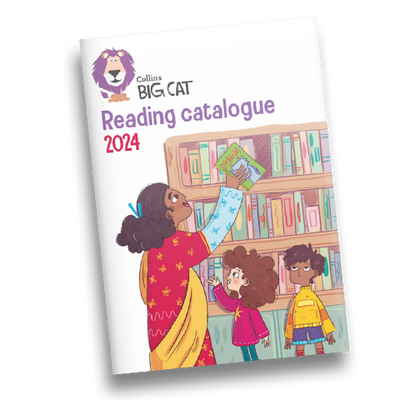
Collins Big Cat catalogue 2024
Discover the full range of highly engaging fiction and non-fiction graded readers for ages 4-11, with over 1000 titles to choose from.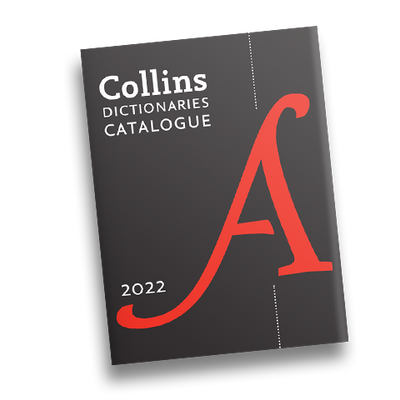
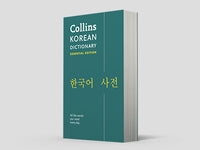
Collins Dictionaries
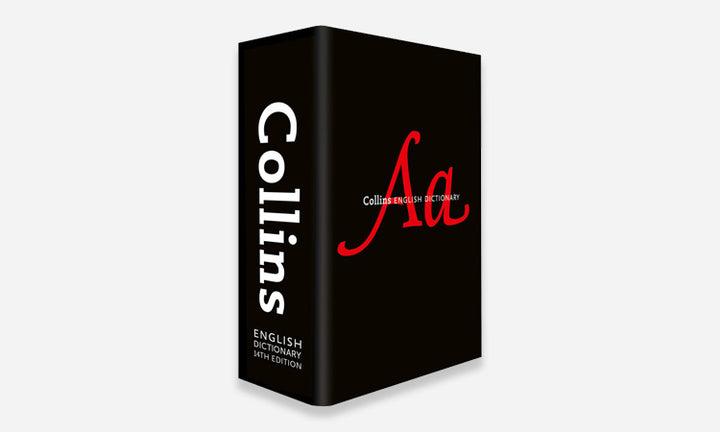
Browse our world-renowned dictionaries, whether for learners of English or bilingual dictionaries in 26 languages - all available for licensing.
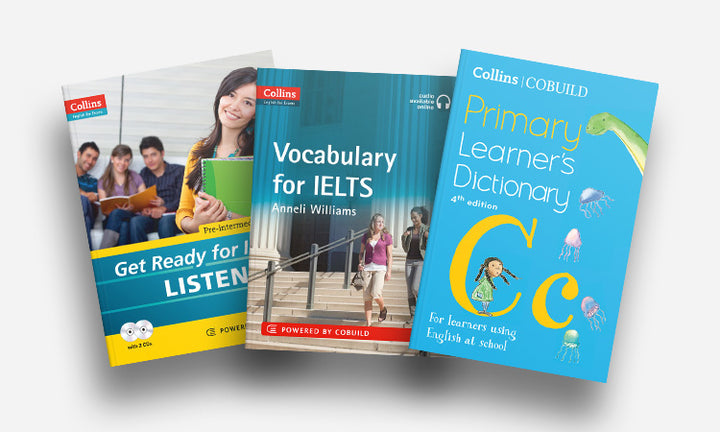
Collins ELT
Discover books for learners of English including COBUILD dictionaries, Agatha Christie ELT readers, English for examinations and general& business English.